
|

Propaganda is a method of mass communication by a government or other similar entity, that is designed to influence the way that people say the world and to act in a certain manner. Propaganda has existed for as long as communication has and has developed alongside technologies. The Greeks minted coins with their leaders on them as a form of propaganda, while Julius Caesar's oration united the Romans under his rule. The printing press allowed printed materials to be manufactured and spread among large numbers of people for the first time. Propaganda gets its name from a church edict from the 17th century to propagate the spread of Catholicism among the indigenous people of the new world known as Congregatio de Propaganda Fide (Congregation for the Propagation of the Faith).
Global conflicts such as WWI and WWII lead to further developments of propaganda. Many of our enduring images of these conflicts include propaganda posters such as the famous images of Uncle Sam and Rosie the Riveter. During this time, propaganda films would also first be created, to promote patriotism and encourage people to join the armed forces. The radio would also be used by various states for disseminating messages. Propaganda was used by both authoritarian states such as the Soviet Union, Communist China, and Nazi Germany as well as democratic states such as the U.S. and U.K.
The study of propaganda among scholars of communication is nothing new. Even in 1944, professor of journalism Ralph D. Casey would write a survey of propaganda in 1944 as part of the GI roundtable, teaching soldiers about what propaganda is, how to recognize it, and how it is disseminated. To this day, it continues to interest scholars of Communication as a subject of study. For many communication scholars, they study what makes propaganda effective and how to apply the lessons of past propaganda campaigns to the present.


While we may not see posters of Uncle Sam pointing a finger and saying "I want you" on every streetcorner, propaganda is no less prominent and widespread today. Two areas where propaganda is common today are in film and social media.
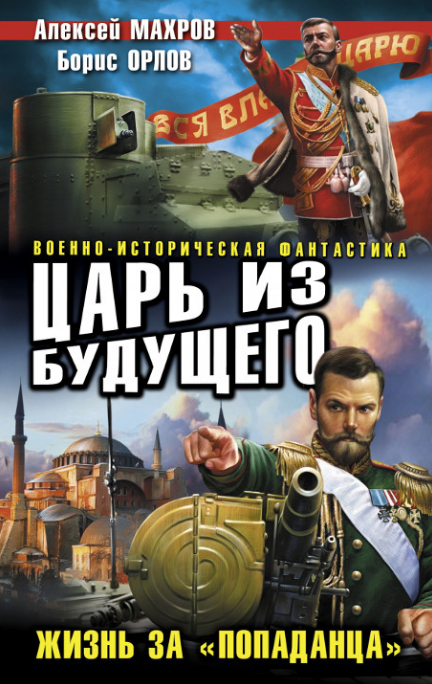
One area where propaganda is common is in film. Since WWI, the U.S. realized that film plays a major role in propaganda, creating several propaganda films during wartime. After the war was over, the U.S. Department of Defense continued to work with Hollywood to create films. This included both films you would think would include military support (war series like The Long Road Home) but also other films that you might not think would include the military (the Transformers series by Michael Bay was heavily supported by the Department of Defense). These arrangements allow filmmakers to use U.S. military equipment but also gives the DoD discretionary powers over how films portray the U.S. military (the Department of Defense argues that this is to tell a "accurate story"). The use of film (and more broadly popular culture) as propaganda is not just limited to the U.S. Japanese comics (manga), animation (anime), and videogames, have played a major role in rehabilitating the country in the eyes of the west, portraying it as less of a military threat. Russia has its own homebuilt industry of popular literature in order to manufacture consent for their 2020 war in Ukraine and to reframe their past in order to fit it into current historical narratives. These novels include bizarre topics like time traveling Czars and Hitler (a genre known as popadantsy).
Another area where propaganda spreads heavily is on social media. An environment where anybody can post whatever they want and algorithms promote heavily partisan and angering content creates an environment where propaganda and misinformation spreads easily. Much of this propaganda is spread by so called "troll farms," or groups of actors from another country (frequently Russia and China) who pretend to be American (or another country's) citizens in order to steer public discourse on various political issues. The impact that troll farms can have on democracy came to light during the 2016 and 2020 elections, where Russian troll farms disseminated information to further widen our political divide and, many people argue, threaten democracy in the U.S. (and in other countries as well).


Whenever we are reading the news or browsing social media, it is important for us to keep our eyes open for propaganda or so called "fake news." There are a number of different tests that people have used in order to identify and analyze propaganda. Back in 1937, the Institute for Propaganda Analysis of New York developed the "ABC test," which focused on identifying when you are viewing propaganda and understanding that propaganda is everywhere. More recently, many universities have used the CRAAP (Currency, Relevance, Authority, Accuracy, Purpose) Test for evaluating information that we read online or in any other place. There is no one single test that works for everybody. Keep reading and analyzing and find which test works best for you.


 Propaganda and Persuasion
by
Propaganda and Persuasion
by
 How Propaganda Works
by
How Propaganda Works
by
 Mind Under Siege: Mechanisms of War Propaganda
by
Mind Under Siege: Mechanisms of War Propaganda
by
 Media, Persuasion and Propaganda
by
Media, Persuasion and Propaganda
by
 What is Propaganda?
by
What is Propaganda?
by
 The Story of Propaganda in 50 Images
by
The Story of Propaganda in 50 Images
by
 Comic Art Propaganda
by
Comic Art Propaganda
by

